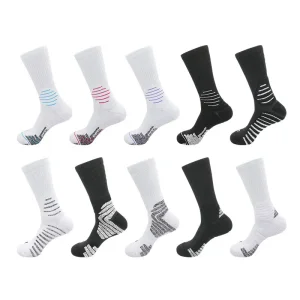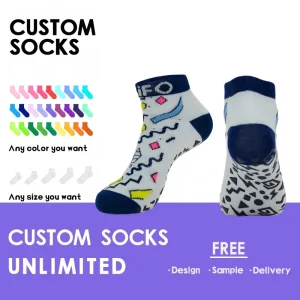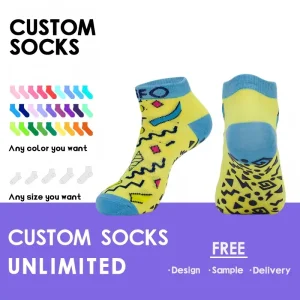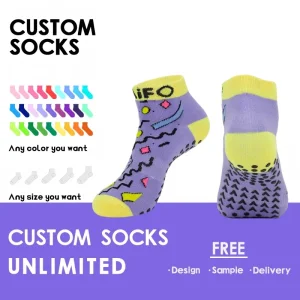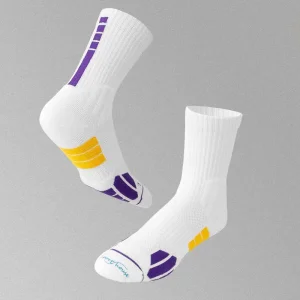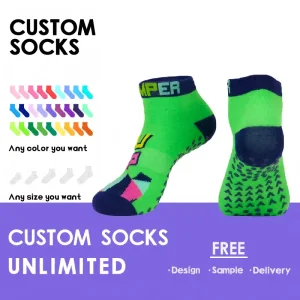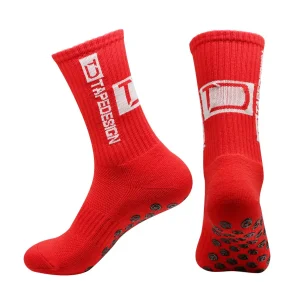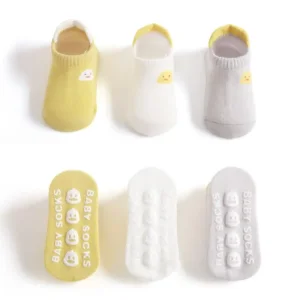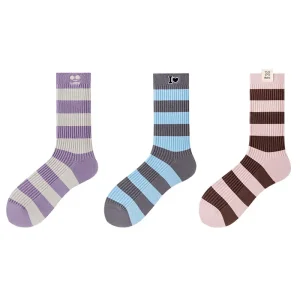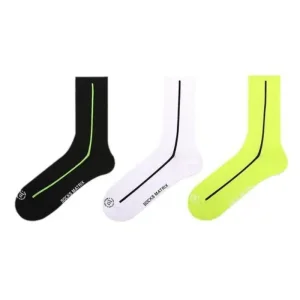
Explore our foundational range of medical-grade grip wear and athletic safety socks, precision-engineered to meet stringent international standards.
In contemporary healthcare administration, patient safety stands as the absolute priority. Statistically, patient falls represent the single most common adverse event in hospitals worldwide, with rates ranging from 3 to 5 falls per 1,000 bed days. These incidents do not only threaten patient health but also impose massive financial burdens on global health systems. In the United States alone, the average direct medical cost of a patient fall is calculated at over $14,000, with total national operational liability scaling into billions annually.
As a result, leading healthcare groups, rehabilitation centers, and senior living facilities have shifted away from standard footwear toward highly specialized, non-slip medical socks. Medical institution footwear must deliver a precise balance between thermal control, hygienic containment, slip mitigation (via physical friction polymers), and high compatibility with clinical laundering protocols. This intersection of material sciences and clinical logistics forms the bedrock of modern medical procurement.
"By integrating specialized double-tread grip polymers and medical-grade compression, modern institutional footwear actively reduces the incidence of slips, trips, and falls by up to 47% in acute geriatric recovery units."
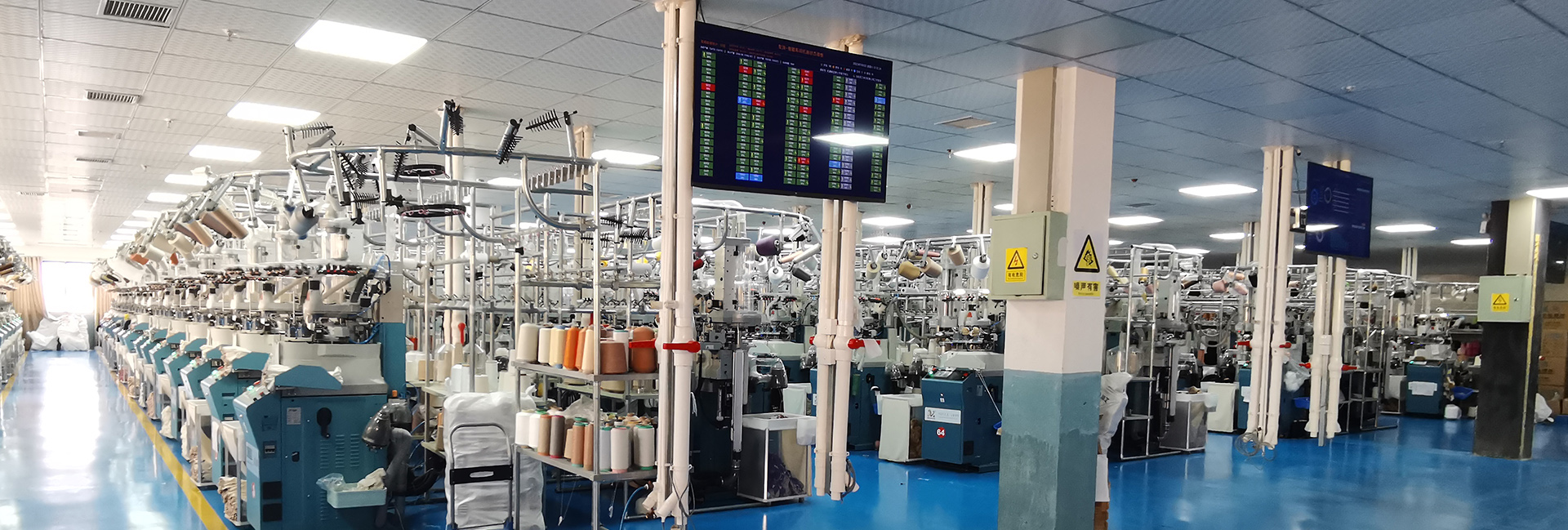
Established in 2013, Sichuan MiFo Technology Co., Ltd. is a modern hosiery group integrating R&D, production, and global trade to deliver high-compliance institutional socks.
Our infrastructure includes fully automatic computerized jacquard knitting systems, advanced sewing setups, and more than 10 dedicated Grip molding machines, securing an end-to-end edge in medical-grade non-slip engineering.
Medical footwear is not a one-size-fits-all product. Different medical zones require specialized designs to address specific patient demographics and environmental risks.
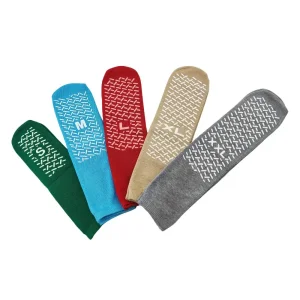
Elderly patients experiencing cognitive decline or mobility challenges are highly prone to fall risks. For these environments, we supply double-sided tread hospital socks. By embedding traction arrays on both the instep and sole, we ensure that even if the sock shifts or is put on upside down, slip mitigation remains fully active.
Post-anesthesia recovery introduces acute neuromuscular impairment. Patients often lack dynamic feedback loops, rendering conventional slippers dangerous. Our specialized medical-grade socks incorporate targeted arch compression and low-profile non-slip silicone to stabilize early steps and transfer weights smoothly on wet linoleum surfaces.
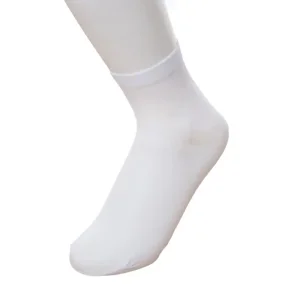
Psychiatric wards place high constraints on safe wear, strictly banning shoes with laces, hard plastic buckles, or rigid components. Our seamless, soft-cotton knit medical compression socks provide a highly compliant alternative, eliminating metal or hard structural elements to ensure patient comfort while maintaining complete physical safety.
Sichuan MiFo Technology is actively merging material engineering and digital textile tracking to build the next generation of institutional health wear.
Developing eco-friendly, hypoallergenic, phthalate-free medical silicones that achieve a wet Dynamic Coefficient of Friction (DCoF) exceeding 0.6 on medical-grade epoxy, commercial vinyl, and wet terrazzo floors, preventing slips during bathroom visits.
Integrating advanced antibacterial treatments into the masterbatch fiber spinning stage. This technique guarantees 99.9% protection against major clinical pathogens (MRSA, VRE) and survives over 50 industrial wash cycles at high temperatures.
Embedding high-performance RFID tags and textile pressure sensors inside institutional socks to automate inventory control in smart hospitals. This technology can alert nursing staff in real-time when high-fall-risk patients attempt to exit their beds.
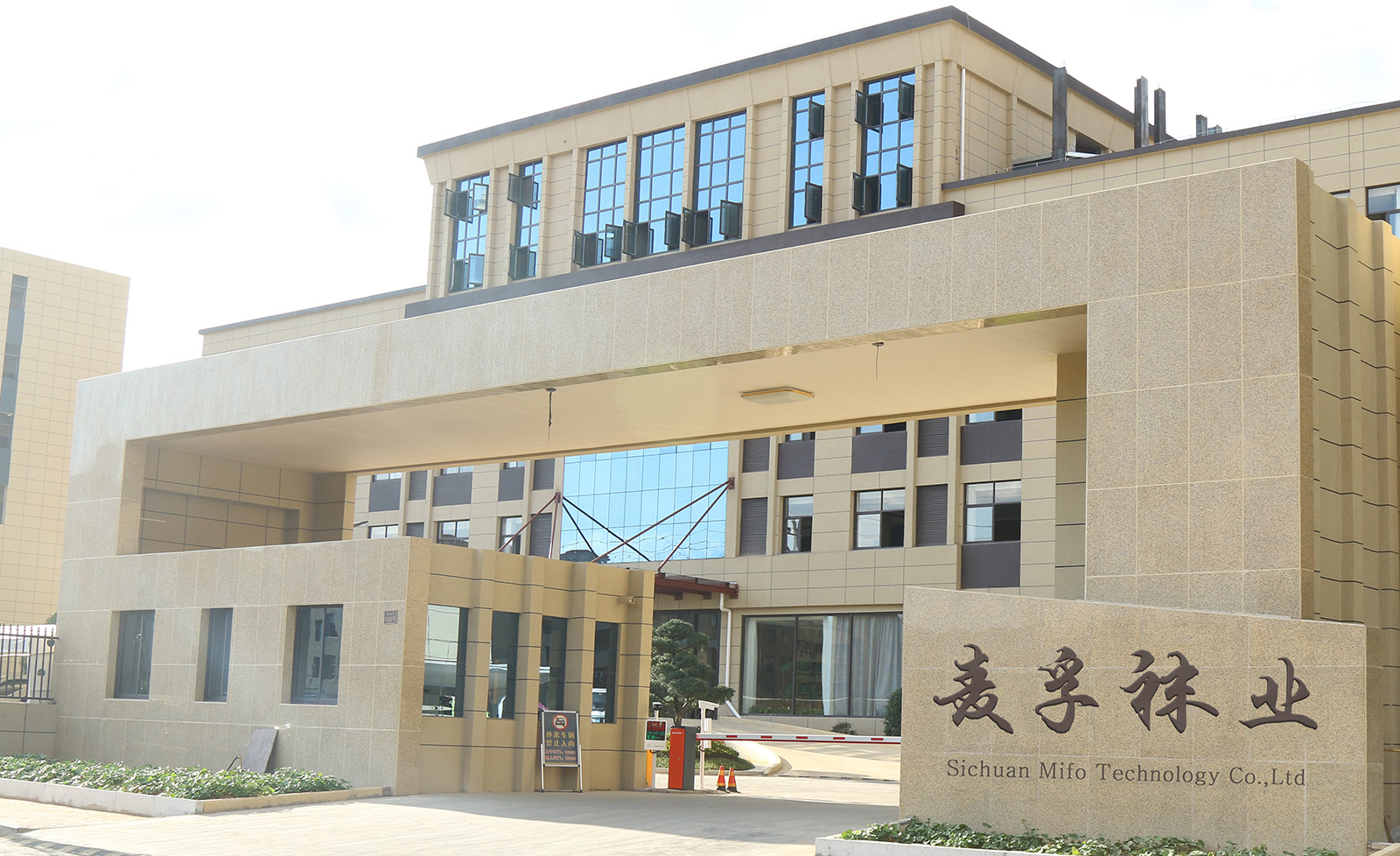
Medical procurement managers require more than quality; they require massive volume, cost efficiency, and absolute supply chain resilience. Operating from our hub in Sichuan, China, MiFo Technology delivers critical advantages that make us a leading strategic supplier:
We configure our institutional products to meet the complex legal, health, and regulatory standards of global medical systems.
Our manufacturing processes conform to global compliance directives, including FDA registration, CE documentation, and ISO 13485 (Medical Devices - Quality Management Systems) guidelines for non-invasive medical textile accessories.
All yarns, dyes, and elastic elements undergo testing for harmful substances. They are certified skin-friendly, safe for long-term wear, and free of hazardous chemicals, heavy metals, or irritating chemical additives.
Many hospitals use standard risk-assessment colors. We offer quick customization matching standard US/EU guidelines (Red for high-fall risk, Yellow for allergy alerts, Green for ambulatory/clear).
Get technical answers about compliance, sizing, materials, and ordering procedures from our engineering and sales teams.
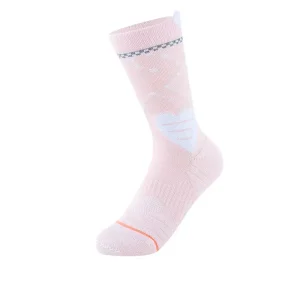
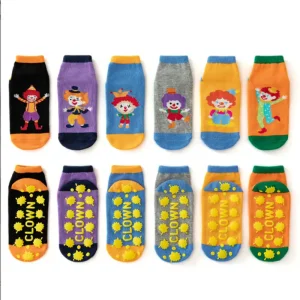
From anti-slip hospital socks to high-performance athletic knits, explore the rest of our global product lineup.
Receive technical material datasheets, customized design prototypes, and bulk discount pricing plans for global medical hospital groups.
Request Quotation & Samples