The Evolution of Sports Socks: From Accessories to Athletic Instruments
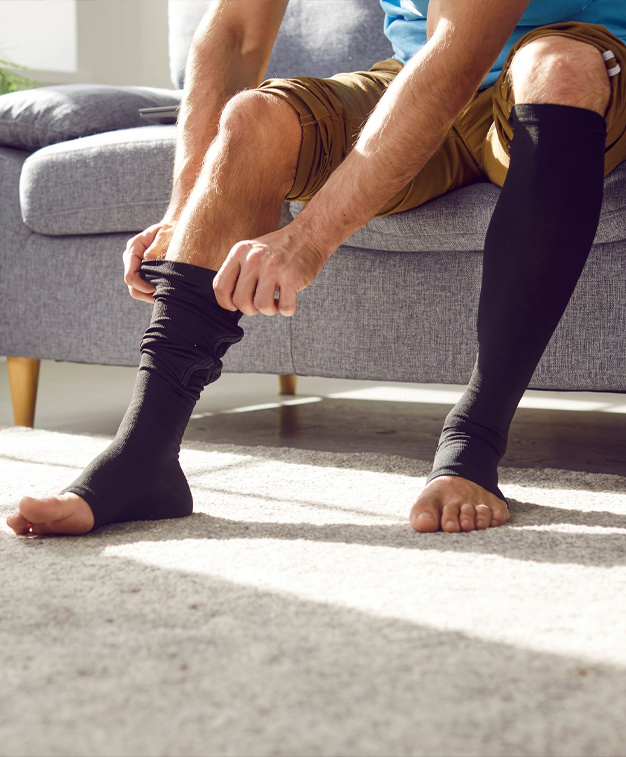
In the modern athletic landscape, sports socks have transitioned from simple protective layers into complex, bio-mechanical instruments. In-depth physiological research validates that foot dynamics during high-impact sports require specific localized solutions. Standard generic construction leads to micro-slips inside the shoe, dynamic energy loss, increased friction, and localized blisters. Premium sports socks OEM manufacturing requires specialized knowledge in yarn tension, compression gradients, anatomical architecture, and humidity dispersion.
For global sports brands, e-commerce giants, and retail chains, choosing a qualified manufacturing partner demands alignment with Google's E-E-A-T guidelines: verifiable manufacturing experience, specialized fiber knowledge, reliable supply chains, and strict environmental compliance.
Advanced Raw Material Science & Kinetic Fibers
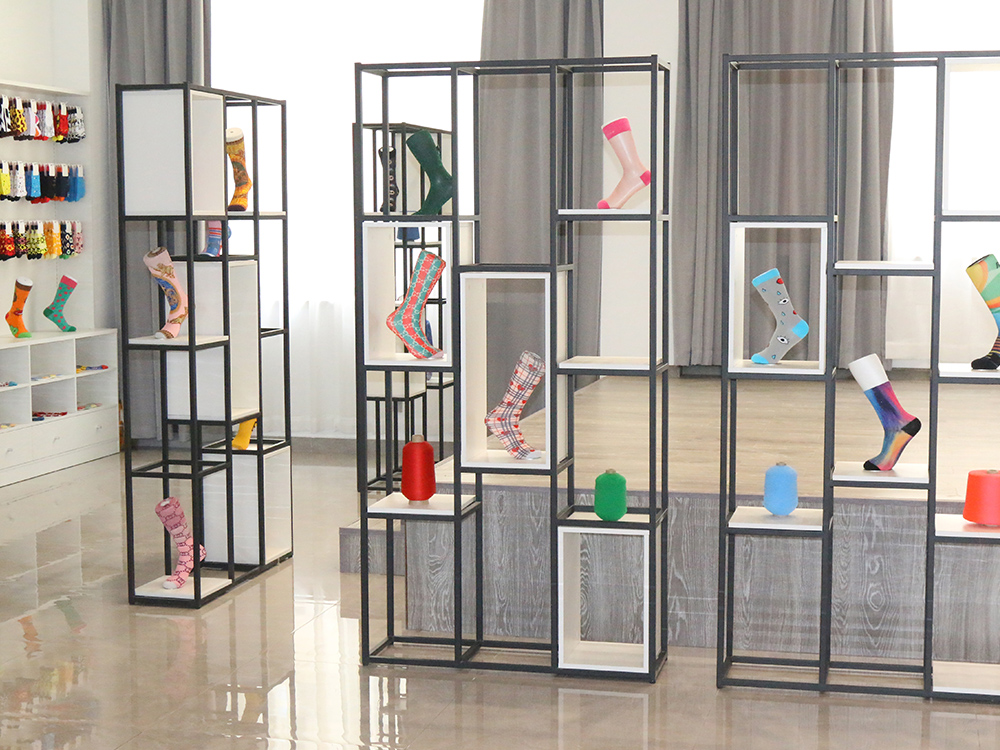
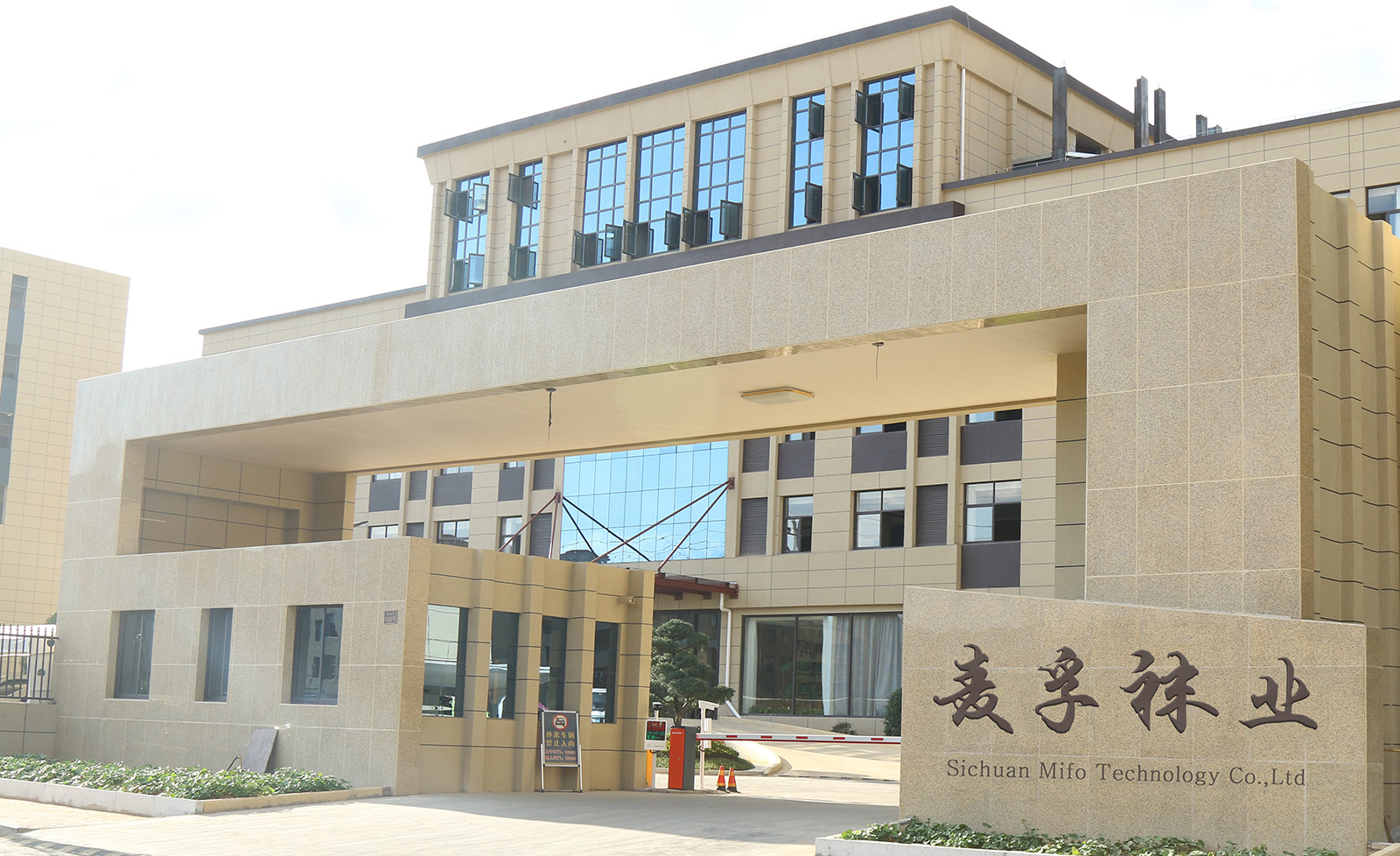
At Sichuan MiFo Technology, our R&D center optimizes material science to create hybrid yarn blends for specific sports demands. Below are the key fibers engineered in our manufacturing process:
- Combed & Eco-Friendly Organic Cotton: Selected for its long-staple fibers, organic cotton provides softness, skin compatibility, and structural stability. Crucial for eco-conscious brands aiming to meet GRS (Global Recycled Standard) and organic cotton standards.
- Coolmax® and Moisture-Wicking Polyesters: Utilizing cross-channel fibers that capillary moisture away from the skin to the outer fabric layer, keeping feet cool and dry.
- Nylon 66 and Elastic Blends: Engineered in the heel and toe regions to increase tensile strength and prevent premature wear under high-torque conditions.
- Anti-bacterial Silver & Copper Ions: Infused into the yarn at a molecular level, preventing microbial growth and odor retention over long-duration wear.
Manufacturing Tech-Specs and Needle Configuration Matrix
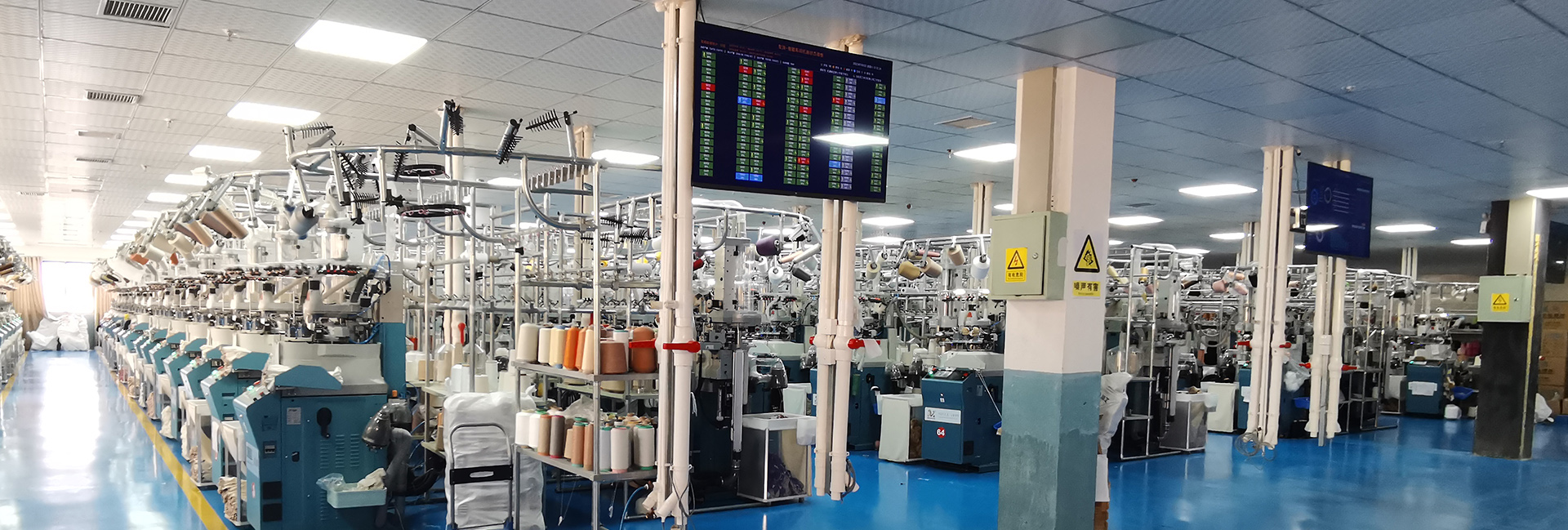
The choice of needle count defines the thickness, flexibility, and longevity of the socks. We configure our 660 intelligent machines to match strict technical standards:
MiFo Technical Needle Configuration Matrix
| Needle Count | Structural Thickness | Primary Target Application | Compression Performance |
|---|---|---|---|
| 96N to 120N | Heavy-gauge / Full terry lining | Winter outdoor sports, heavy hiking, alpine skiing | High-impact protective padding |
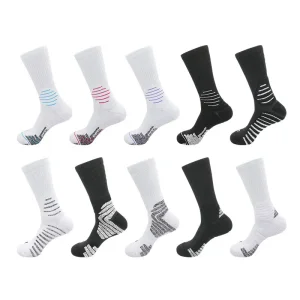
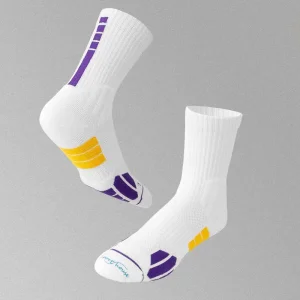
| 144N | Medium-gauge / Targeted terry cushioning | Basketball, Football, Running, Crossfit training | Zone-specific dynamic cushioning |
| 168N | Refined medium / Multi-knit texture | Multi-sport, high-density grip socks, trampoline parks | Balanced snug fit & high responsiveness |
| 200N | Ultra-fine gauge / Compression-fit profile | Cycling, marathon running, premium corporate dress wear | Maximum gradient compression & aerodynamics |
Anti-Slip Grip Technology: The Chemistry of Kinetic Friction
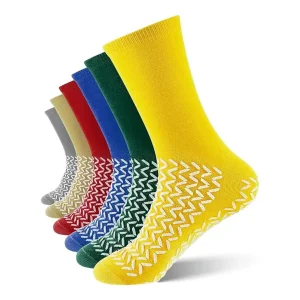
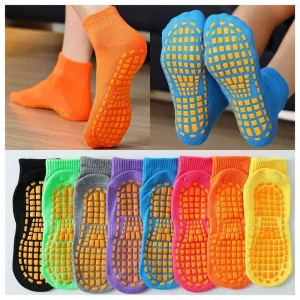
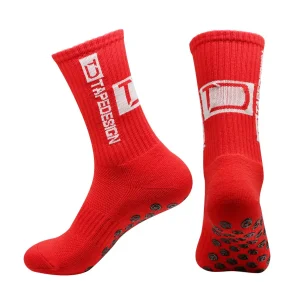
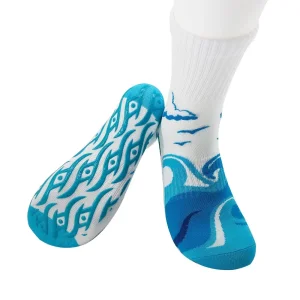
The anti-slip grip market is expanding rapidly, driven by the demand for performance-enhancing designs in professional sports (football, basketball) and safety applications (trampoline parks, hospitals). MiFo Technology has invested in 10+ advanced grip molding machines that apply medical-grade silicone and TPU formulations directly to the sole.
Unlike standard heat-press applications that wear down after a few washes, our customized silicone formulas bond with the fabric fibers. This prevents cracking, peeling, and loss of friction, even after 50+ industrial washes. Our configurations prevent foot slippage inside footwear, improving agility, response times, and torque transfer during fast changes of direction.