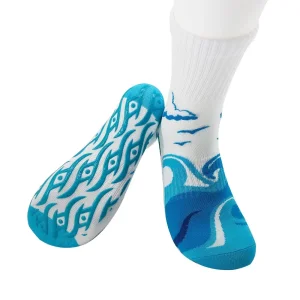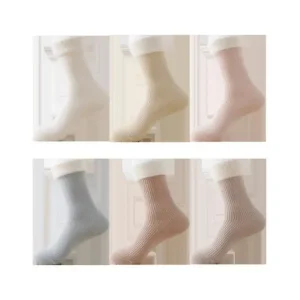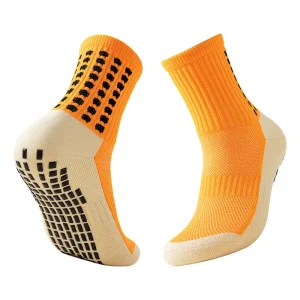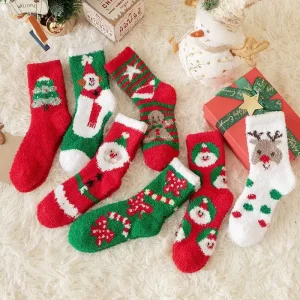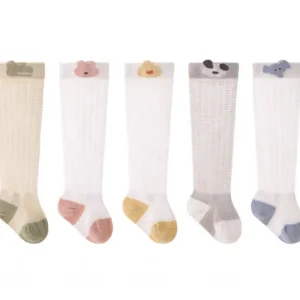
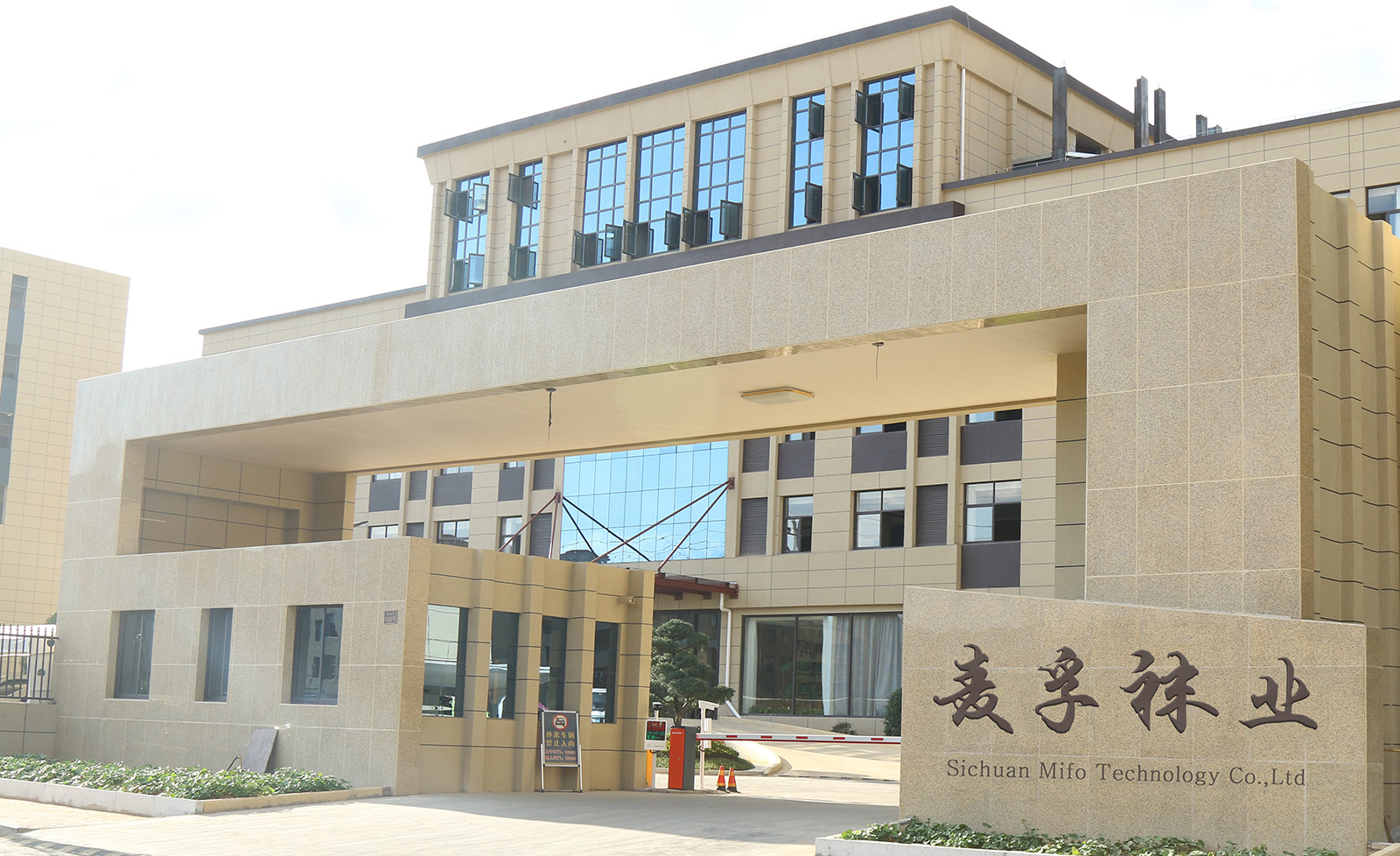
Founded in 2013, Sichuan MiFo Technology Co., Ltd. has established itself as an international powerhouse in functional and medical hosiery design, manufacturing, and distribution. Headquartered in Sichuan, China, our operations integrate advanced materials R&D, computerized knitting tech, and custom silicone grip application.
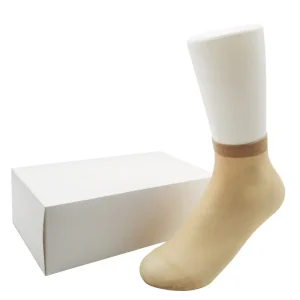
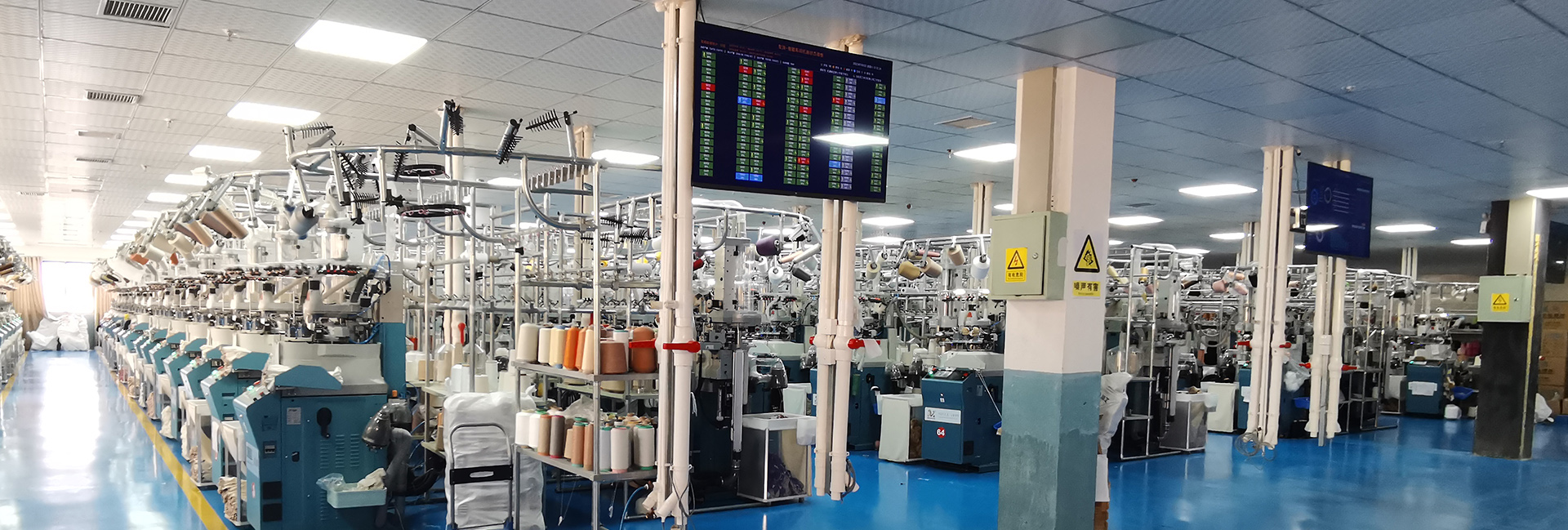
Spanning a modern 42,000-square-meter facility, MiFo Technology utilizes advanced logistics systems to support large-scale exports to more than 100 countries. Our smart manufacturing environment provides high quality, speed-to-market, and customizable configurations. We produce specialized medical non-slip socks, sports performance grip wear, and custom lifestyle hosiery.
A comprehensive analysis of material performance, patient fall prevention mechanics, and clinical procurement standards.
In acute care, rehabilitation facilities, and long-term care environments, patient falls represent a significant challenge to patient safety. According to epidemiological data, falls account for a major portion of preventable hospital-acquired injuries. These events can extend recovery timelines, increase healthcare provider liability, and strain operational resources.
Medical-grade non-slip footwear is a key element of fall prevention protocols (e.g., the Morse Fall Scale or Hendrich II Fall Risk Model). These socks provide traction during patient transfers, physical therapy, and movement on polished clinical surfaces. Traditional cotton options can stretch out of shape and retain moisture. In contrast, nylon-engineered composite yarns provide high stretch recovery, securing the non-slip treads on the plantar surface of the foot.
In hospital laundry environments where high-temperature sterilization and chemical sanitizers are standard, fiber performance is critical. Nylon (specifically Polyamide 6 or Polyamide 6,6) is selected for several key reasons:
The performance of a non-slip sock depends on the interaction between its tread material and the floor surface. MiFo’s grip patterns utilize high-friction silicone and PVC compounds. We test these compounds to meet or exceed slip resistance standards on dry, wet, and soapy clinical flooring.
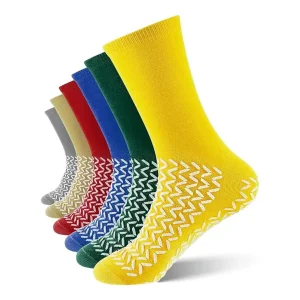
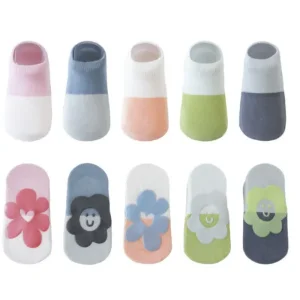
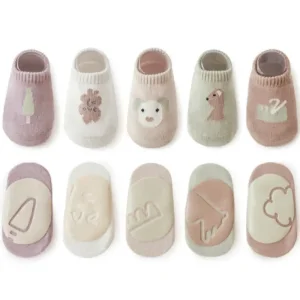
Our tread placement features a continuous pattern across the heel, arch, and metatarsal areas. In addition, our double-sided tread designs provide slip protection even if the sock shifts or is put on upside-down. This is a common issue with geriatric patients or those with cognitive impairment.
Our facility combines automated machinery, experienced engineers, and specialized grip molding technology.
We utilize computerized double-cylinder jacquard knitting machines. These systems allow us to program specific compression levels and seamless toe enclosures.
Our silicone and PVC application lines use screen-printing and heat-setting techniques. This ensures the non-slip treads adhere securely to the nylon fibers.
Our team includes yarn engineers, quality technicians, and logistics experts who oversee production to meet ISO 9001 and CE compliance standards.
We source raw nylon yarns that are pre-screened for tensile strength and dye lot consistency. Our QA protocols include wash-fastness assessments and friction testing.
Our medical-grade products are manufactured under quality systems compatible with FDA requirements for non-invasive patient accessories. This allows us to supply major healthcare systems and GPOs in Europe and North America.


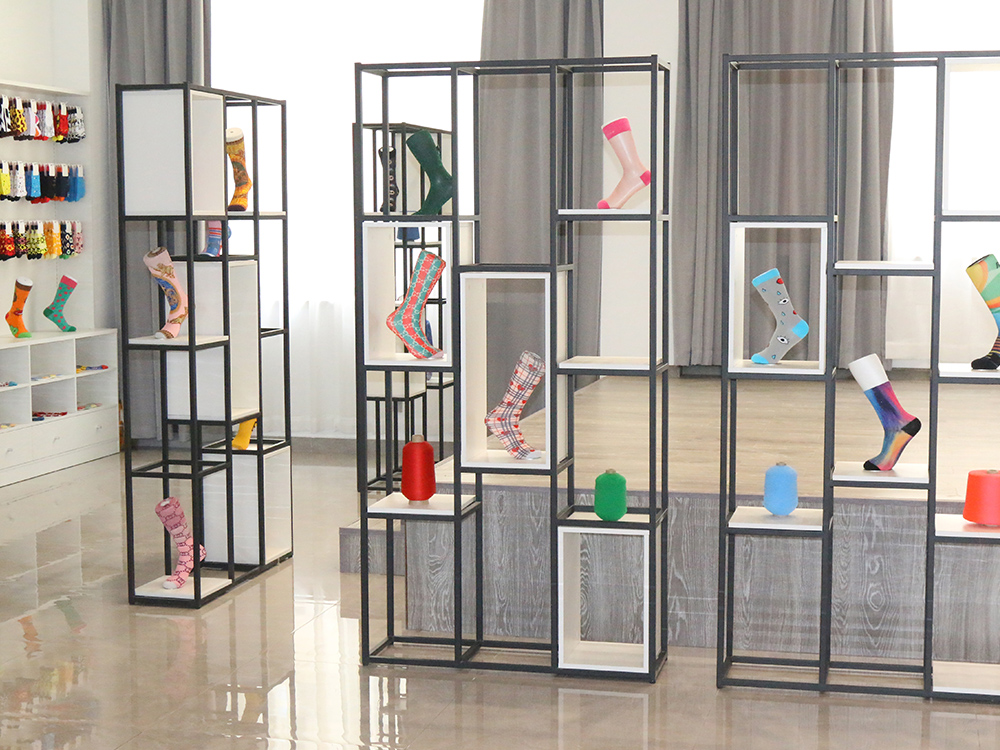
Combining functional safety with modern styling for diverse applications.
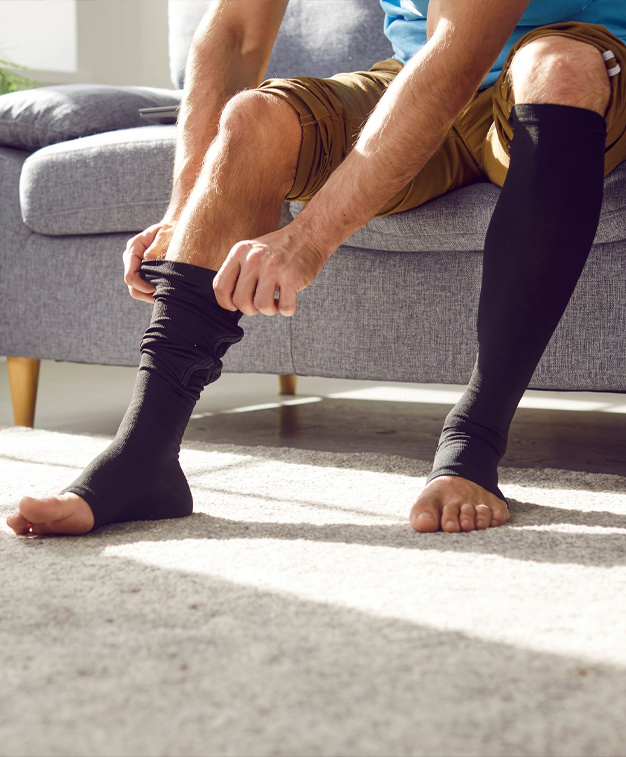
Engineered for hospitals and long-term care, featuring high stretch construction, non-binding cuffs, and color-coded slip resistance.

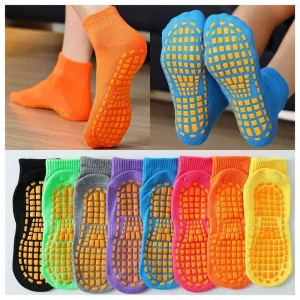
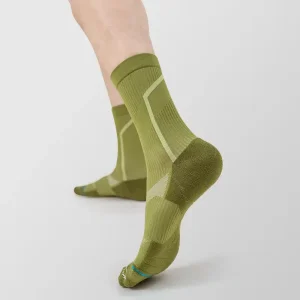
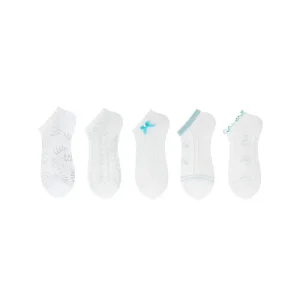
Designed for athletic movement, soccer, pilates, and active sports. These socks offer moisture control, targeted arch compression, and localized grip points.

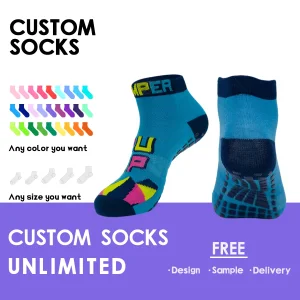
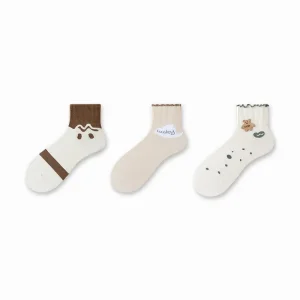
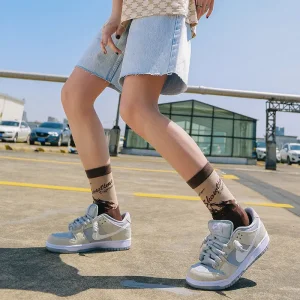
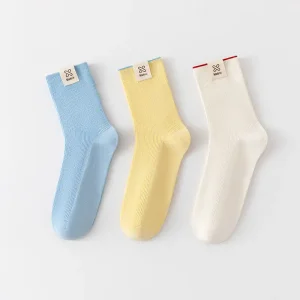
Combining everyday comfort with functional performance. Ideal for home care, yoga studios, and custom retail collections.
Our facility in Sichuan, China, provides cost efficiencies and robust logistics support. We source high-grade nylon polymers, spandex, and pigment formulations locally to minimize supply chain disruptions.
Our manufacturing cluster features automated packaging, inline sorting systems, and dedicated custom mold making. This vertical integration allows us to offer shorter lead times and adapt quickly to specific OEM/ODM design changes.
We work with international logistics providers to coordinate container loading and documentation, facilitating smooth customs clearance for our global buyers.
Our logistics network delivers compliant products to more than 100 countries while working to reduce our environmental footprint.

We employ lean manufacturing practices to reduce energy and water consumption. Our facilities utilize waste-water filtration and energy-efficient heating systems for our vulcanized grip machines.
We offer sustainable fiber options, including recycled nylon yarns. These options help healthcare organizations meet green purchasing goals without sacrificing product durability or patient safety.
Our sales offices coordinate with shipping terminals to optimize container logistics, reducing transit times and the environmental impact of long-haul shipping.
Important technical specifications for sourcing managers, GPOs, and distributors to evaluate when buying non-slip hosiery.
Confirm the percentages of nylon, cotton, and spandex. For hospital settings, a high nylon component is desirable for elasticity, durability, and resistance to high-temperature washing.
Verify that the tread material meets slip resistance standards (such as ASTM F2913) on common medical flooring materials like vinyl composition tile (VCT) or polished concrete.
Double-sided grip designs maintain traction even if the sock shifts on the patient’s foot, which is particularly beneficial for high-fall-risk and geriatric care.
Select clear, color-coded sizing options to help clinical staff quickly identify the correct fit and avoid circulation restriction or loose footwear.
Ensure the socks are rated to maintain tread adhesion and fabric elasticity through commercial laundry processes using warm water and chlorine sanitizers.
Request documentation demonstrating compliance with relevant international standards, including OEKO-TEX Standard 100, CE directives, and FDA regulations.
Answers to common questions from hospital procurement officers, medical distributors, and custom brand managers.
Contact our B2B export division to discuss material options, custom designs, and pricing for large orders.