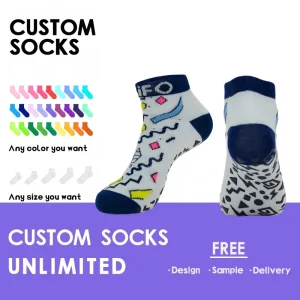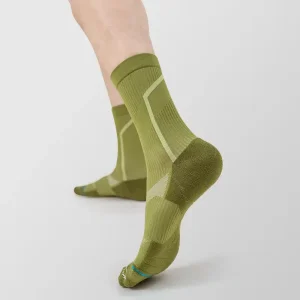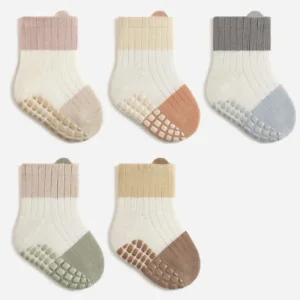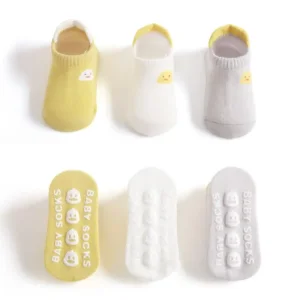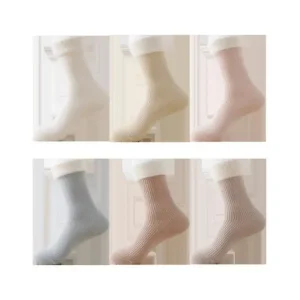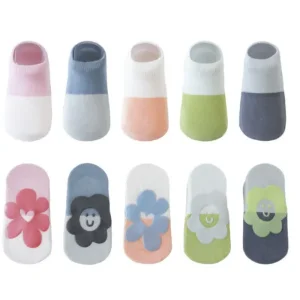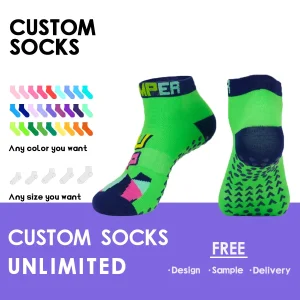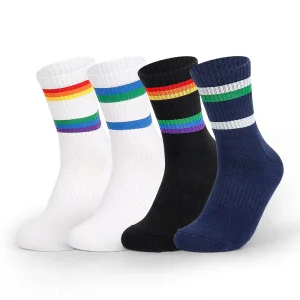
Explore our elite selection of custom-manufactured anti-slip, medical, and specialized grip footwear.
During gestation, the female cardiovascular system undergoes profound adaptations. Maternal blood volume increases by up to 50%, while venous compliance elevates due to high systemic concentrations of progesterone. Simultaneously, the expanding uterus exerts mechanical pressure on the inferior vena cava and common iliac veins. This combination increases hydrostatic pressure in the lower extremities, frequently culminating in gestational lower-extremity edema, varicose veins, and deep vein thrombosis (DVT).
Graduated compression therapy remains the non-pharmacological gold standard for managing these conditions. By delivering a precise pressure gradient—highest at the ankle (measured in mmHg) and systematically decreasing proximally along the calf—these specialized garments mechanically compress superficial veins. This action reduces venous diameter, increases blood flow velocity, facilitates valvular competency, and actively promotes lymphatic drainage.
"Precision compression of 15–20 mmHg or 20–30 mmHg during pregnancy reduces peripheral venous pooling and lowers the statistical risk of DVT, providing safety for expectant mothers."
The global maternity support wear market is experiencing a significant structural shift. Emerging consumer demands place equal weight on clinical efficacy and lifestyle aesthetic. Sourcing departments of multi-national retail channels, pharmaceutical brands, and specialized e-commerce brands face a complex vendor matrix. Primary challenges include ensuring strict compliance with local regulatory frameworks (FDA Class I registration, CE medical device marking, and OEKO-TEX Standard 100 environmental safety certifications) and managing volatile yarn supply chains. Sourcing managers must align with vertical manufacturers capable of executing rigorous batch testing, maintaining elastic performance profiles over extended wash cycles, and implementing customized retail solutions.
Empowering global supply chains through intelligent knitting technology and optimized distribution channels.
Established in 2013, Sichuan MiFo Technology Co., Ltd. is a modern hosiery group integrating R&D, production, and trade. Headquartered in Sichuan Province, China, our 42,000-square-meter facility utilizes state-of-the-art intelligent manufacturing ecosystems. We maintain lean-operating assembly setups, dynamic QA protocols, and a highly streamlined export pipeline, achieving an annual output of over 200 million pairs of premium socks.
Under our strategy of "Made in China, Serving the World," MiFo has constructed a vast sales network spanning over 100 countries across Europe, North America, Japan, South Korea, and Southeast Asia. We are dedicated to providing sustainable, high-performance hosiery options for medical distributors, global brands, and corporate accounts worldwide.
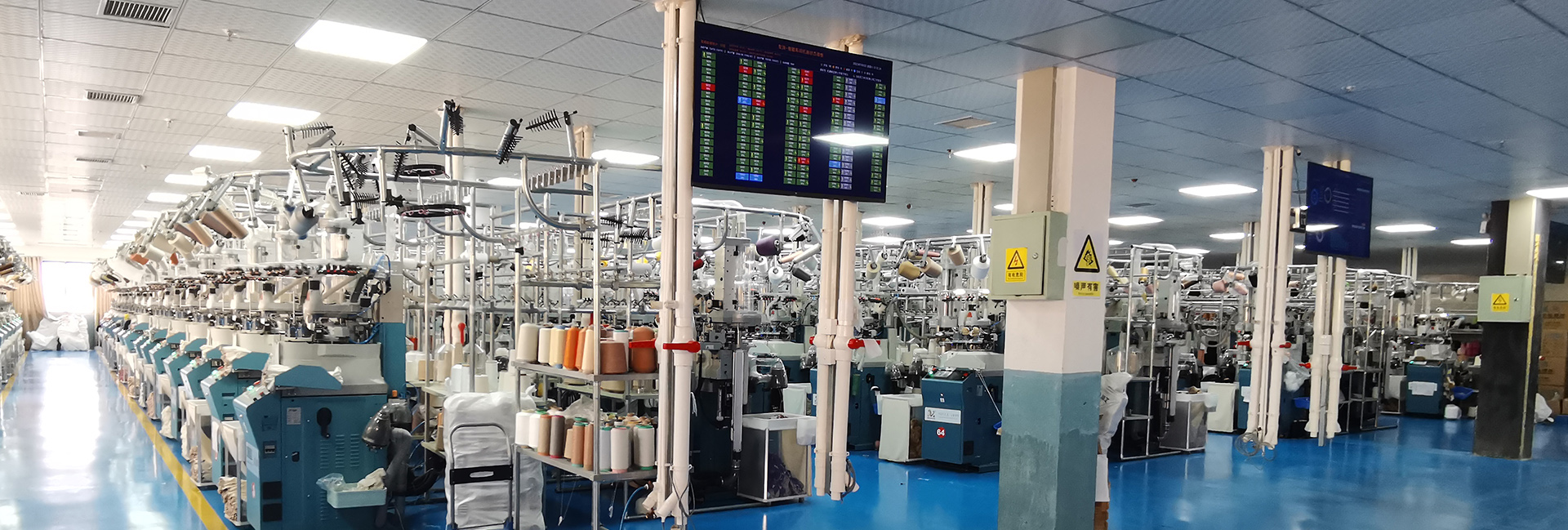
China’s textile and medical compression manufacturing sectors lead the global industry through technological integration, raw material access, and advanced logistics. At Sichuan MiFo Technology, this efficiency is anchored by our fleet of over 660 computerized knitting machines, including multi-feed jacquard and high-needle-count circular knitting units. Our system operates via smart software that monitors tension variations in real-time, correcting inconsistencies that could compromise graduated pressure profiles.
By consolidating operations—including raw material sourcing, yarn texturizing, knitting, linking, boarding, and packaging—within our 42,000-square-meter facility, we eliminate supply chain bottlenecks. This integration allows us to offer shorter lead times, lower transport costs, and highly stable unit pricing compared to fragmented manufacturing networks. Sourcing managers can rely on predictable production timelines, backed by certifications like ISO 9001 and BSCI.
Engineering maternity compression wear requires balancing raw materials to ensure both durability and comfort. Standard athletic socks lack the necessary elastic modulus to sustain graduated pressure. Our designs combine high-filament Nylon with Invista Lycra, wound to specific denier measurements to optimize elasticity and rebound performance.
Our manufacturing infrastructure is designed to deliver performance, regulatory compliance, and industrial scalability.
Our 42,000 m² campus operates 660 computerized knitting machines and specialized finishing equipment, maintaining high product consistency and quality across large volume production runs.
Every production batch undergoes Swiss Salzmann testing to verify pressure profiles. Products carry OEKO-TEX Standard 100, FDA Class I, and CE medical markings for global market entry.
From initial design to mass production, our independent R&D center provides customizable branding, graphic packaging, specialized anti-slip designs, and custom size configurations.
Maternity compression garments are used across various settings, requiring specialized product variations:
Several key trends are shaping the future of functional hosiery manufacturing:
First, environmental sustainability is increasingly important to consumers. Sourcing models are moving toward recycled and bio-based yarns, including GRS-certified recycled nylon, organic cotton, and bamboo-derived viscose. These materials offer natural breathability and reduce the overall carbon footprint of production.
Second, manufacturing is becoming more digital. Real-time monitoring of knitting parameters, automated yarn tensioners, and 3D foot-mapping technology allow factories to produce socks tailored to specific foot structures, reducing material waste.
Lastly, the lines between medical-grade wear and daily fashion are blending. Modern consumers seek compression socks with contemporary designs, subtle colors, and patterns that match their everyday wardrobe while still providing graduated compression.
Answers to critical technical, manufacturing, and logistical questions for global buyers.
Every production batch undergoes testing using Swiss Salzmann MST devices. These units verify that compression is highest at the ankle and decreases toward the top band. We record tension settings for all computerized knitting machines to ensure product consistency throughout production.
Our standard blend features 70%-80% premium high-multifilament Nylon combined with 20%-30% Invista Lycra spandex. This composition provides steady tension over time. We can also integrate combed cotton, merino wool, or bamboo fibers to meet specific market requirements for hand-feel and breathability.
Yes. We offer OEM/ODM services, including custom brand labels, knit-in logos, customized colorways, and retail-ready packaging like printed boxes, bands, and eco-friendly bags.
Our facilities comply with BSCI and ISO 9001 systems. Our products are OEKO-TEX Standard 100 certified, confirming they are free of harmful chemicals. We also assist partners with FDA and CE medical registrations.
MOQs depend on design complexity and material choices, typically starting at 1,000 to 3,000 pairs per color and size. Production lead times range from 30 to 45 days after design approval and receipt of deposit, depending on order size.
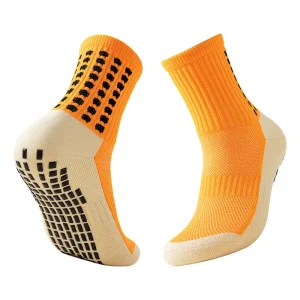
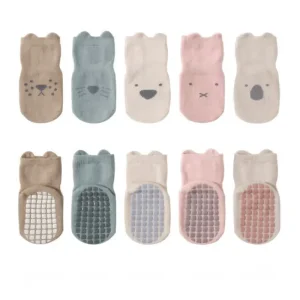
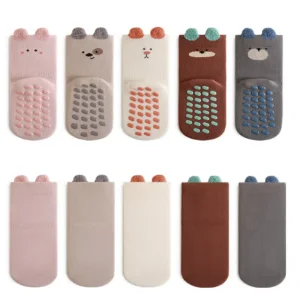
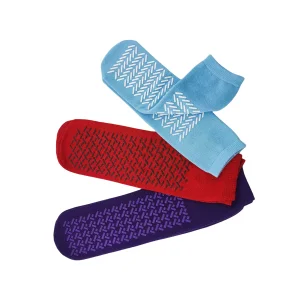
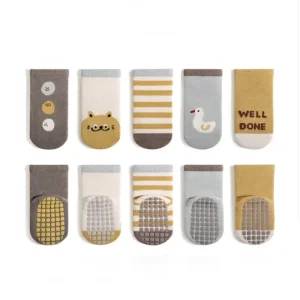
Yes, using our 10+ grip molding machines, we can apply medical-grade, non-slip silicone traction patterns directly to the soles of the compression socks. This is ideal for safety in clinical and home environments.
We offer flexible shipping options, including FOB, CIF, DDP, and air freight, coordinating with logistics partners to ensure customs clearance and timely delivery to your warehouse.
Yes, we provide pre-production samples for physical testing, aesthetic inspection, and verification of the compression levels before starting bulk production.
High-performance technical knitting solutions for sports, medical recovery, and custom applications.