Detailed answers to common sourcing, technical, and regulatory questions from international distributors and buyers.
Q1: How do you verify and maintain consistency in graduated compression levels?
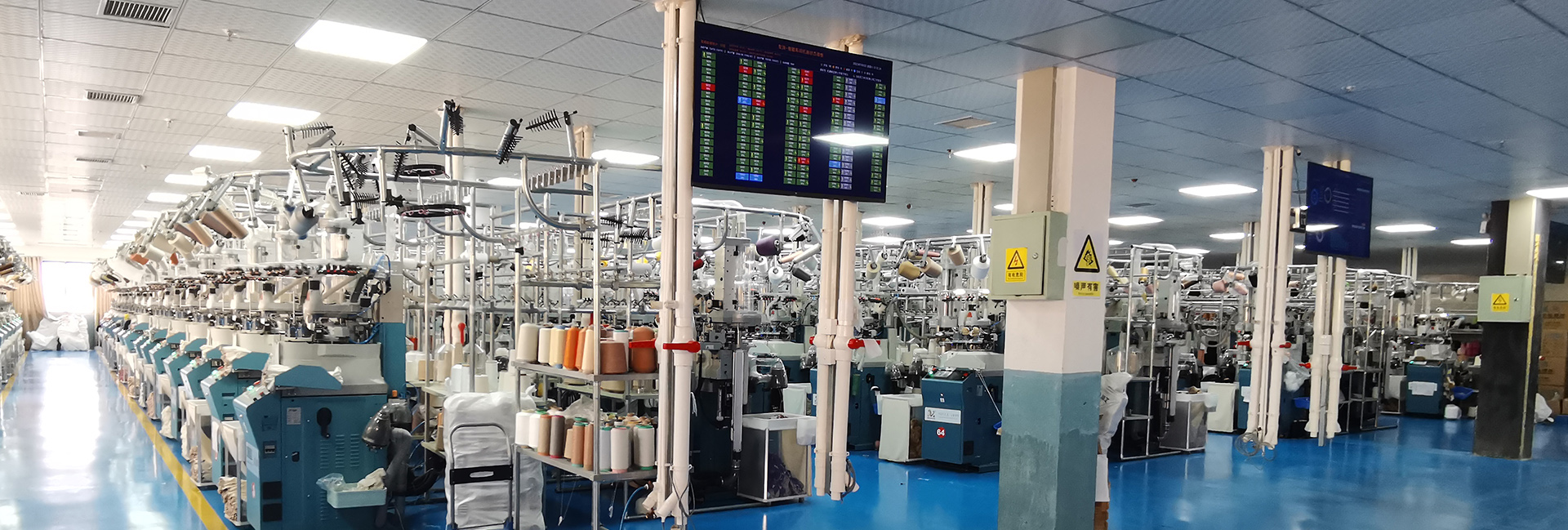
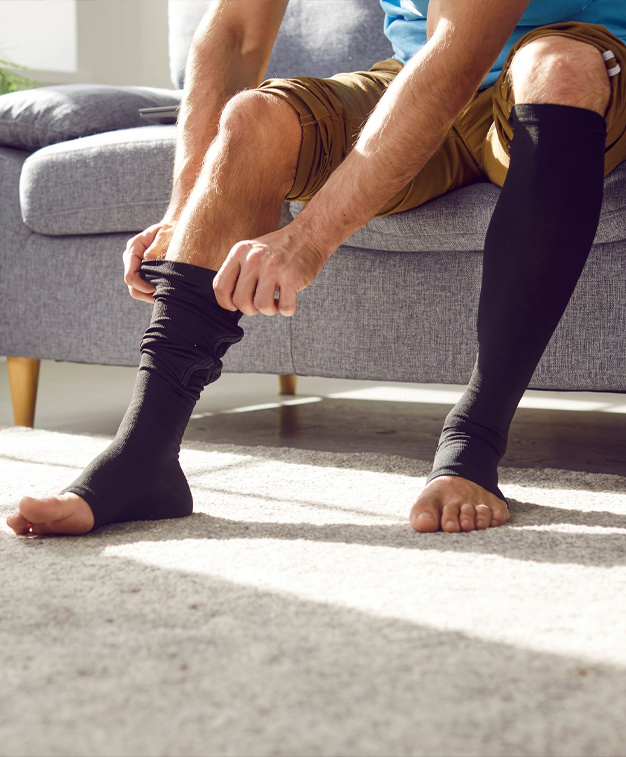
We use Swiss-made MST (Medical Stocking Tester) and Salzmann pressure testing devices. These systems simulate the human leg profile to verify pressure at the ankle, calf, and thigh. We test samples from every production run to ensure compliance with the target mmHg range.
Q2: What is the Minimum Order Quantity (MOQ) for custom designs and OEM orders?
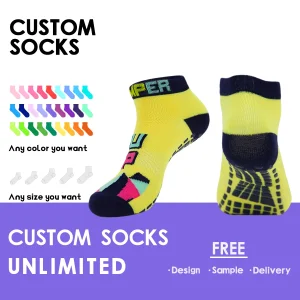
Our standard MOQ for custom OEM compression socks is 1,000 to 3,000 pairs per size and colorway. The exact requirement depends on yarn requirements and material specifications. We also offer smaller test batches for long-term strategic partners.
Q3: Do you support medical-grade certification for overseas markets?
Yes. Our manufacturing processes comply with FDA guidelines in the US, CE marking requirements in Europe, and Japanese industrial standards. We provide documentation for raw materials, manufacturing methods, and compression performance to support your regulatory registrations.
Q4: Can we supply our own specialty yarns, such as Merino Wool or Recycled Ocean Plastics?
Yes. We regularly source specialized yarns to meet specific brand requirements. This includes GRS-certified recycled nylon, certified organic cotton, premium Merino wool, and performance yarns like Coolmax® and Lycra®.
Q5: What are your payment terms and typical delivery schedules?
Our standard payment terms are 30% deposit via T/T and the remaining balance paid upon presentation of the Bill of Lading (B/L). Production timelines average 5-7 days for sample proofing and 25-35 days for bulk manufacturing, depending on the current order volume.
Q6: How do you prevent slipping issues with printed silicone grips?
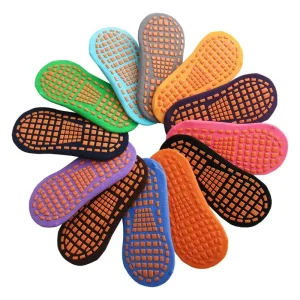
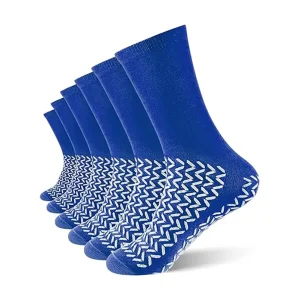
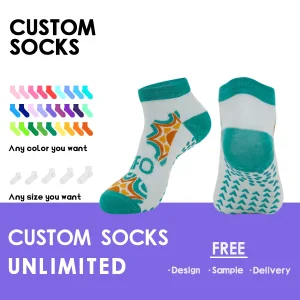
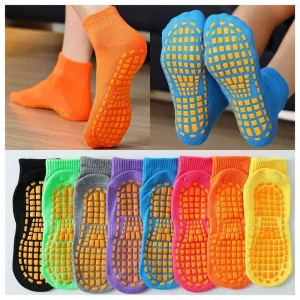
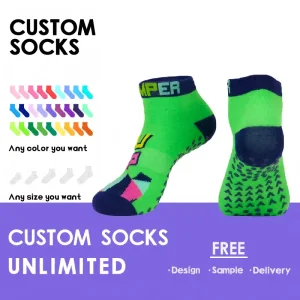
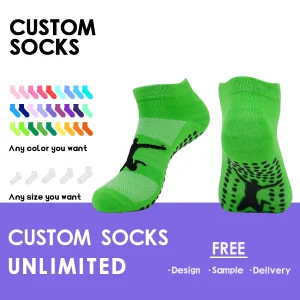
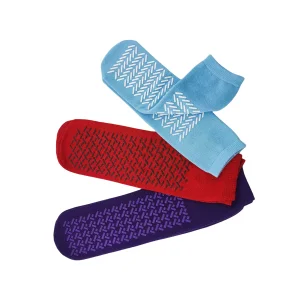
We use high-density silicone and polyurethane compounds applied through automatic printing lines. The printed grips are heat-cured to bond with the sock fibers. This process ensures the grips retain their shape and slip resistance through wash cycles and heavy use.