
Best Seamless Socks for Men and Women in 2026?

Time:2026-09-27 Author:Madeline
0%

Choosing the best Seamless Socks in 2026 is not simply a matter of picking the softest pair. Foot shape, fabric recovery, ventilation, and toe construction all influence daily comfort. A sock may feel smooth in the package, then tighten around the arch after several hours. That detail matters.

Textile expert Dr. Seshadri Ramkumar says, “Comfort is a performance feature, not a decorative promise.” This principle guides our comparison. We examine how Seamless Socks behave inside trainers, work shoes, boots, and casual footwear. We also consider men’s and women’s sizing without assuming every foot follows a gendered pattern. Feet vary widely. Labels can mislead.

Our evaluation focuses on flat or reduced toe seams, breathable yarns, cushioning, stretch, moisture management, and washing durability. We look for fabric that stays in place without leaving deep marks. We notice whether the heel slips during a commute. Small things matter most.

No pair wins in every category. Cotton-rich socks may feel familiar but dry slowly. Synthetic blends often manage sweat better, yet some wearers dislike their texture. Bamboo-based options can feel smooth, though marketing claims deserve careful checking. This guide separates verified features from vague promises. It also acknowledges a less convenient truth: comfort depends on shoe fit and personal sensitivity. Even excellent Seamless Socks can fail inside a badly shaped shoe. Our recommendations aim to make that decision clearer, more practical, and less expensive in the long run.
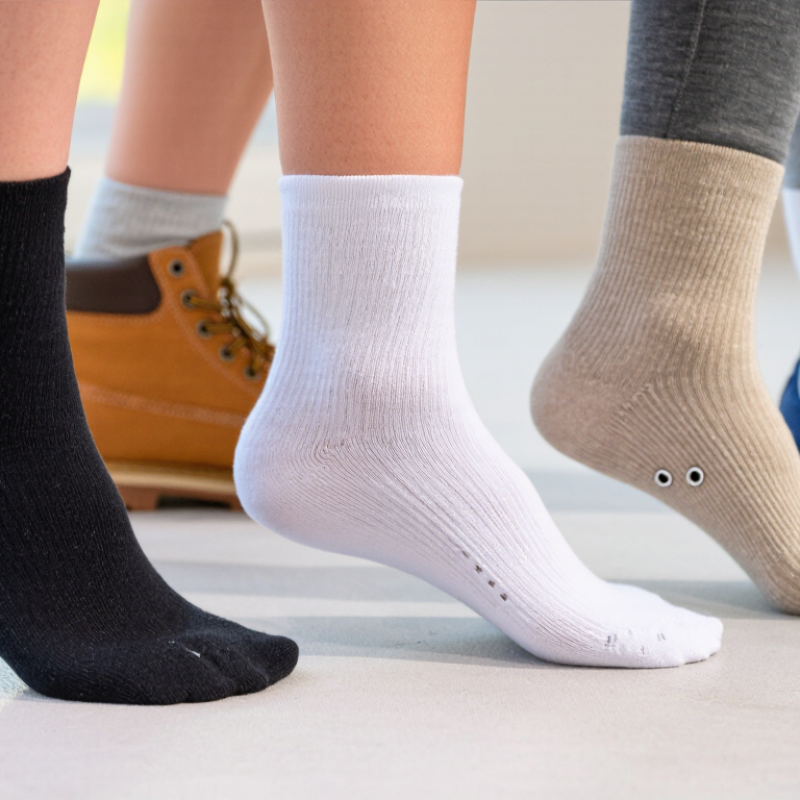
Best Seamless Socks for Men and Women in 2026?

What Makes a Seamless Sock Ideal for Men and Women in 2026?

An ideal seamless sock should feel smooth inside a shoe, not merely lack a visible toe seam. A carefully closed toe reduces rubbing across the toes, while a shaped heel helps limit slipping. Check that the fabric lies flat when you bend your foot. Small folds can become irritating on a long walk. The best fit depends more on foot shape, shoe choice, and activity than on whether a sock is labeled for men or women.

Look for breathable fibers and cushioning suited to your routine. Lightweight fabric may feel better in close-fitting shoes; thicker cushioning can help during long shifts or hikes. A snug cuff should stay up without leaving deep marks. Fit matters. Seamless construction does not guarantee comfort, and some people still notice pressure around the toe or elastic. Try socks with the shoes you wear most, and reassess after washing, since fabric can change shape.

Tips: Check for wrinkles inside the toe, heel movement, and tightness at the cuff. Walk around for several minutes. If you feel a hot spot, try another size or fabric; comfort is personal, and one small test cannot predict every wear.

What this means: Moisture regain is the percentage of a fiber’s dry weight that it can absorb as moisture under standard conditions. These approximate values help compare common sock fibers, but they do not measure drying speed or overall comfort. For seamless socks, look for a smooth toe construction and a fiber blend suited to your needs; fit matters for both men and women.

Key Materials, Construction Methods, and Comfort Features

Best Seamless Socks for Men and Women in 2026?

Materials, knitting methods, and fit shape how seamless socks feel throughout the day. Soft merino blends can help manage warmth, while cotton-rich yarns feel familiar and breathable. Synthetic fibers often add stretch and help socks hold their shape. No material suits everyone. A pair that feels smooth indoors may feel too warm during a long walk.

“Seamless” usually means fewer or flatter joins, not an absence of construction. Fine-gauge knitting can reduce bulky ridges, and a carefully closed toe can prevent rubbing across the toes. Look for gentle arch support, a secure heel pocket, and cuffs that stay up without leaving deep marks. Small details matter. Still, even well-made socks can bunch if the size or shoe fit is wrong. That is easy to overlook.

Tips: Try socks with the shoes you wear most. Check the toe area after a short walk, and wash them as directed before judging their long-term fit. A little trial and error is normal.

Best Seamless Sock Types for Work, Sports, Travel, and Daily Wear

For work, choose a smooth toe, a secure heel, and light cushioning that fits inside your shoes without bunching. The U.S. Bureau of Labor Statistics’ 2024 American Time Use Survey reports that employed people worked an average of 7.6 hours on days they worked. That is a long time for a wrinkle to rub. Seamless does not mean friction-free; fit still matters.

For sports, look for a close-fitting knit and fibers designed to move moisture away from the skin. AATCC TM195 provides a standardized way to assess liquid moisture management in fabrics, though a lab result cannot predict comfort for every foot. For travel, try a breathable, midweight pair with a cuff that stays put without digging in. For daily wear, a soft, easy-care blend is practical. Tiny details count.

Tips: Test socks with your usual shoes and walk for ten minutes. Check for toe pressure, heel slip, and damp patches. Wash and dry them as directed; shrinkage can change the fit. If a pair feels wrong by lunchtime, do not assume it will “break in.”

Best Seamless Socks for Men and Women in 2026? — Best Seamless Sock Types for Work, Sports, Travel, and Daily Wear
Sock Type Best For Typical Materials Construction and Cushioning Fit and Height Tips Care Considerations
Lightweight dress socks Office wear, formal shoes, and long periods in dress footwear Cotton or merino wool blended with nylon and elastane Fine-gauge knit with a smooth, low-profile toe closure and little or no cushioning Choose crew or over-the-calf height to avoid exposed skin when seated; check shoe fit with the thin fabric Follow the care label; gentle washing can help preserve fine knits and elastic fibers
Everyday crew socks Daily wear, commuting, and casual shoes Cotton or synthetic blends with elastane for stretch Smooth toe seam or flat-linked toe; light-to-medium cushioning is common Crew height works with many everyday shoes; use the size chart and prioritize a secure heel fit Wash according to the label and avoid excess heat if the blend contains elastane
Running and training socks Running, gym sessions, and other active workouts Moisture-managing synthetic fibers, sometimes blended with merino wool Smooth toe closure, a close-fitting midfoot, and targeted cushioning or mesh zones in some designs Select a height that works with the shoe collar; avoid bunching and a loose toe area Wash after use and dry fully before wearing again; follow any fabric-specific instructions
Hiking and outdoor socks Hiking, trail walks, and boots worn for extended periods Merino wool or synthetic blends, often reinforced with nylon Smooth toe closure and medium cushioning; thicker styles may need extra boot room Crew or taller heights can help cover the area above hiking footwear; test fit with the intended boots Use the label’s washing instructions; air-drying may help extend the life of wool blends
Travel socks Flights, road trips, and long days spent walking Merino wool or synthetic blends selected for comfort and easy care Smooth toe closure with light-to-medium cushioning; some options use a taller leg Choose a comfortable, non-bunching fit. Compression socks are a separate category; use them according to appropriate medical guidance Pack a spare pair for longer trips and follow the label for washing and drying
Low-cut and no-show socks Low-profile sneakers and casual shoes Cotton or synthetic blends with elastane Smooth toe closure; some designs include a heel grip or added heel coverage Match the cut to the shoe opening and check that the heel stays in place during walking Fasten closures such as laundry bags or use gentle cycles to reduce snagging
Fit note: “Seamless” usually refers to a smooth or reduced-profile toe closure, not a sock with no seams anywhere. A well-fitting sock can help reduce rubbing, but it cannot guarantee blister prevention. Sock sizing varies by maker, so use the size chart and consider shoe room, activity, and preferred cushioning. These styles can suit any gender; fit and shoe size are more useful guides than gender labels.

How to Choose the Right Fit, Size, Cushioning, and Breathability

A seamless sock should follow the foot without twisting or bunching. Check the size chart against your usual shoe size, but also consider foot width and instep height. A sock that feels snug in the store may become uncomfortable after hours of walking. The heel pocket should sit at your heel, not creep under your arch. No pinching. If the toe area pulls tight, try a larger size rather than hoping the fabric will stretch.

Cushioning changes how a sock feels inside a shoe. Light padding suits close-fitting shoes and warm weather; thicker terry cushioning can soften repeated steps on hard floors. Too much padding may make a well-fitting shoe feel cramped. Try socks with the shoes you plan to wear, and notice pressure around the toes and ball of the foot. Small details matter.

Breathability depends on both fiber and construction. Fine-knit panels can release heat, while dense cushioning may hold warmth where feet sweat most. Look for fabric descriptions that explain fiber content, and check care instructions; high heat can affect stretch and fit. A useful test is wearing the pair for a normal day, then checking for dampness, red marks, or slipping. One caveat: feet swell, and comfort can vary by activity. My first size guess is not always right.

Care Tips and Durability Factors for Seamless Socks

Seamless socks can reduce bulky toe ridges, but the smooth feel depends on more than the label. Yarn quality, knit density, and the toe-closing method all affect wear. “Seamless” does not always mean literally stitch-free. Check the toe area for a flat, even finish before buying.

Wash socks inside out in cool or warm water, following the care label. Use a mild detergent, and avoid bleach, which can weaken fibers over time. Keep them away from rough items such as zippers and hook-and-loop fasteners. Small snags matter. A mesh laundry bag can help, though it is one more thing to remember.

Air-drying usually puts less stress on elastic than frequent high-heat drying. If you use a dryer, choose a low setting and remove socks while they are still slightly warm. Durability also depends on fit: socks that stretch tightly across the toes may wear faster there. Rotate pairs, and check heels and toe tips for thinning before holes appear. Don’t pull a snag. That can make it worse. Even careful washing cannot prevent every weak spot, especially in lightweight knits; softness sometimes comes with a trade-off in abrasion resistance.

FAQS

What does “seamless” mean in socks?

It usually means fewer or flatter joins, not a sock without construction. A smooth toe finish can reduce rubbing.

How can I tell if seamless socks fit properly?

The heel pocket should sit at your heel, and the fabric should not twist or bunch. No pinching. If the toes feel tight, try a larger size.

Which materials are best for all-day comfort?

Merino blends can help manage warmth, while cotton-rich yarns feel familiar and breathable. Synthetic fibers often add stretch. No single material suits everyone.

How much cushioning should I choose?

Light padding can suit close-fitting shoes and warm weather. Terry cushioning may soften steps on hard floors, but it can make shoes feel cramped.

How can I check whether socks are breathable?

Wear them during a normal day, then check for dampness or slipping. Dense cushioning may hold warmth. My first guess about comfort is not always right.

How should I wash seamless socks?

Turn them inside out and follow the care label. Use mild detergent and cool or warm water. Avoid bleach.

What helps socks last longer?

Air-drying puts less stress on elastic than frequent high-heat drying. Keep socks away from zippers, rotate pairs, and check heels for thinning.

What should I do if a sock snags?

Don’t pull it. Pulling can worsen the snag. A mesh laundry bag may help protect lightweight knits, though remembering to use one is easy to forget.

Conclusion

In 2026, the best Seamless Socks combine a smooth, low-friction interior with breathable materials, secure construction, and a comfortable fit for different feet and activities. This guide explains how fabric choices, seamless knitting methods, and thoughtful features such as cushioning and moisture management can affect everyday comfort. It also compares sock styles suited to work, sports, travel, and casual wear, helping readers match support and coverage to their routines.

Choosing the right pair means considering sizing, foot shape, cushioning level, and breathability rather than relying on appearance alone. Practical care—such as following washing instructions, avoiding excessive heat, and replacing worn pairs—can help preserve softness, elasticity, and durability. With these factors in mind, readers can find comfortable, dependable socks for a variety of needs.

Madeline

Madeline

Madeline is a dedicated marketing professional with a wealth of expertise in our company's core offerings. With a keen understanding of the industry, she brings a unique perspective to her role, consistently delivering high-quality content that highlights the superior aspects of our products. As......