
2026 Best Cooling Socks for Global Buyers?

Time:2026-10-12 Author:Ethan
0%

In 2026, Cooling Socks are becoming a practical choice for commuters, travelers, athletes, and workers in warm climates. Their purpose is not to create artificial cold. Instead, good designs help manage heat, sweat, and airflow around the feet.

A useful pair may combine moisture-wicking fibers, breathable mesh panels, and light cushioning. Some products use bamboo blends, merino wool, nylon, or recycled polyester. Each material behaves differently. Merino can resist odor, while synthetic fibers often dry faster. Look closely at the heel, toe seams, and elastic band. These small details affect comfort during long walks.

Real-world testing matters. Wear socks inside the shoes you normally use. Check whether your feet stay dry after several hours, not just after five minutes. Product claims can sound impressive. However, “cooling” may describe ventilation rather than a lower skin temperature. Buyers should examine fiber content, washing instructions, size charts, and independent reviews.

Fit is not universal. A sock that feels airy in Singapore may feel too thin in a dry desert climate. Global customers should also consider local weather, shoe construction, import costs, and return policies. Some brands provide laboratory data, but testing methods can differ. That deserves attention.

Not every popular model will suit every buyer. This guide compares Cooling Socks by fabric, breathability, durability, comfort, and value. The goal is practical guidance, not exaggerated promises. Your feet provide the final test.
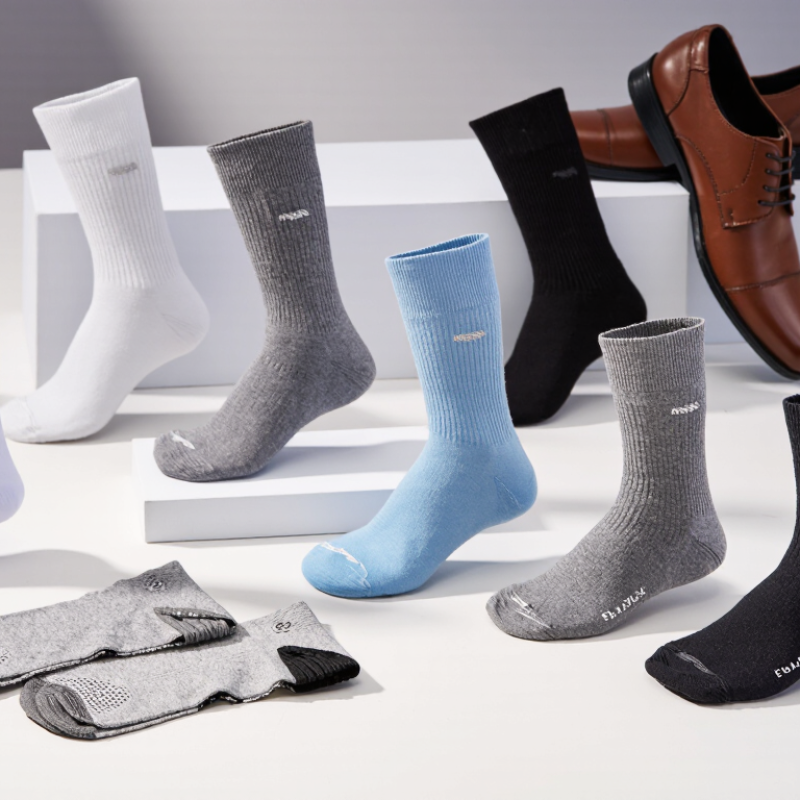
2026 Best Cooling Socks for Global Buyers?

Define Cooling Performance: Qmax, RET, and ISO 11092 Test Methods

2026 Best Cooling Socks for Global Buyers?

Cooling claims need measurable evidence. The World Meteorological Organization reported 2024 as the warmest year recorded, reaching about 1.55°C above the pre-industrial average. For buyers, “cooling” should mean more than a thin fabric or icy packaging.

Qmax measures the instant heat flow from skin into a textile surface. A higher Qmax can create a stronger cool-touch sensation. It does not prove lasting cooling during walking.

RET measures evaporative resistance. Lower RET usually means easier sweat-vapour transfer.

Test conditions matter, including fabric moisture, pressure, and contact temperature. ISO 11092:2014 defines the sweating guarded hotplate method, using controlled heat and moisture to evaluate textile resistance. A sock may show good RET on a laboratory sample, yet perform differently when stretched over a warm, damp foot. That limitation deserves attention.

Tips: Request Qmax values, RET results, test temperature, humidity, and fabric moisture. Ask whether the complete sock was tested. Compare results from ISO 11092, not only marketing claims. Qmax alone can mislead. A 2024 review in the Journal of Industrial Textiles also noted that moisture management depends strongly on fibre structure, fabric density, and finishing treatment. These details often matter more after several hours of wear.

Compare Fibers: Wool 16%, Cotton 8.5%, and Polyester 0.4% Moisture Regain

2026 Best Cooling Socks for Global Buyers?

Moisture regain changes how cooling socks manage sweat. ASTM D1909-13(2021) lists wool at about 16%, cotton at 8.5%, and polyester at 0.4%. These are conventional fiber reference values, not direct comfort scores. Wool can hold more vapor without feeling immediately wet. Cotton absorbs sweat quickly, but its drying time may lengthen inside a warm shoe. Polyester absorbs very little moisture and usually dries faster.

A field test tells a more complicated story. During humid walking, polyester socks often feel drier after ten minutes, while wool can control clamminess over longer wear. Cotton may feel soft at first, then become heavy near the heel. The fiber alone does not create cooling. Mesh zones, yarn fineness, ventilation, and shoe fit matter too.

ISO 11092 measures thermal resistance, while AATCC TM195 evaluates liquid moisture management. Buyers should request these test methods, not vague “cooling” claims. I would not treat 0.4% regain as automatically superior; dry fabric can still trap heat when the knit is dense.

Tips: Compare fiber data with drying tests, air permeability, and thermal resistance. Check results after washing, not only before use. Ask for test temperature and humidity. A 16% wool blend may suit long travel, while 0.4% polyester may suit short, high-sweat activity. Cotton remains practical, but it needs careful drying control.

Inspect Construction: Mesh Zones, Yarn Denier, and ASTM D737 Air Permeability

2026 Best Cooling Socks for Global Buyers?

Cooling socks should be inspected as engineered textiles, not judged by thinness alone. Mesh zones can improve airflow across the instep, while denser knitting protects the heel and toe. Check whether ventilation appears where heat builds, not only near the ankle. A low yarn denier often feels lighter, but it may reduce durability. Construction still matters more.

Ask suppliers for ASTM D737 air permeability data from controlled textile testing. This method measures airflow through fabric under a specified pressure difference. It does not fully predict comfort during walking. Compare test conditions, fabric areas, and reported units before accepting a claim. Seams deserve close attention too. Bulky stitching can trap heat and create pressure points inside ordinary shoes.

Tips: Request a construction sheet with mesh percentage, yarn denier, knit composition, and test results. Inspect several pairs, including washed samples. Feel the inside after repeated wear. Some “cooling” designs become less breathable after finishing treatments. That is worth questioning. My practical mistake was trusting a high airflow number without checking abrasion resistance. A sock can breathe well and still fail quickly. Global buyers should balance ventilation, fit retention, drying speed, and regional care habits. Thin is not always cooler. Sometimes, it is simply less protective.

Verify Safety and Fit: REACH, OEKO-TEX STANDARD 100, and Size Grading

For global buyers, cooling socks should be judged beyond softness and color. I examine the fiber blend, ventilation zones, seam quality, and moisture control claims. A cool touch can feel impressive in a sample, but it may disappear after washing. Fit matters more than marketing.

REACH compliance supports safer chemical management in products sold across relevant markets. Ask suppliers for current test reports, material declarations, and traceable production details. OEKO-TEX STANDARD 100 testing can provide added confidence about harmful substances in tested components. However, a certificate must match the exact product, fabric, and production stage. Check the certificate number. Do not rely on a logo alone.

Size grading also needs practical review. Measure the foot length, calf opening, and stretch recovery across every size. A medium sock may fit one market differently from another. Try samples on different foot shapes, including wider feet. Small differences matter. I have seen “one-size” designs create tight cuffs and loose heels after repeated wear. That result needs correction, not excuses. Buyers should request wash-test data, colorfastness results, and packaging details before approving large orders. Testing reduces risk, but it cannot replace real wear trials. Even careful evaluations can miss a problem. That is why feedback from users in warm, humid climates remains valuable.

2026 Best Cooling Socks for Global Buyers

Verify Safety and Fit: REACH, OEKO-TEX STANDARD 100, and Size Grading

How to read the chart: Each category contains three practical evidence fields for supplier verification. These are review checkpoints, not certification scores.

  • REACH: Request confirmation of restricted substances, SVHC screening status, and applicable chemical compliance documentation.
  • OEKO-TEX STANDARD 100: Check the certificate number, validity period, and product class covering the finished socks.
  • Size grading: Verify the foot-length chart, grading increments between sizes, and dimensional tolerances from production samples.
  • Cooling performance: Review fiber composition, moisture-management evidence, and durability after washing.

REACH addresses chemical safety obligations in the European market. OEKO-TEX STANDARD 100 is a separate textile harmful-substance testing and certification system. Sock sizing is supplier-specific, so buyers should confirm measurements rather than relying only on EU, UK, or US size labels.

Choose for Global Buyers: Climate, 15–20 mmHg Compression, MOQ, and Care

2026 Best Cooling Socks for Global Buyers?

Cooling socks must match climate, not just product photos. In humid markets, choose breathable fibers and mesh zones around the instep. For hot, dry regions, moisture-wicking yarn can prevent rough, salty buildup after long walks. I have found that “cooling” often means faster drying, not a cold sensation. That distinction matters. Ask for test data on drying time, colorfastness, and airflow.

Compression needs equal care. A 15–20 mmHg range may suit mild daily support, but fit remains personal. Measure the ankle and calf before approving a size chart. Tight cuffs, numb toes, or deep marks are warning signs. Buyers with circulation conditions should seek medical advice before using compression socks.

For importers, MOQ can change the real cost more than the unit price. Request sample pairs, carton dimensions, lead time, and a clear defect policy. A small pilot order may reveal pilling, heel slippage, or odor retention. It may feel slower. It can prevent a costly bulk mistake.

Wash in cool water, use mild detergent, and avoid bleach or high heat. Air-dry flat when possible; dryers can weaken elastic fibers. Keep compression levels consistent across batches, and record wash-test results.

I would not promise universal comfort. Climate, foot shape, and work hours vary too much. A supplier who shares production records, material details, and inspection results is easier to trust. Still, paperwork is not proof. Inspect real samples before listing the socks for global sale.

FAQS

Should cooling socks be judged only by their thinness?

No. Mesh zones can improve airflow, while denser knitting protects the heel and toe. Thin can mean less durable.

Where should ventilation zones appear?

Look for mesh across the instep, where heat often builds. Ankle-only ventilation may not provide enough airflow.

What fabric details should global buyers request?

Request mesh percentage, yarn thickness, knit composition, and controlled air-permeability results. Details matter.

Does high air permeability guarantee walking comfort?

No. Testing measures airflow under fixed conditions. It does not fully predict comfort, pressure, or sweat during walking.

Why should seams receive close inspection?

Bulky stitching may trap heat and create pressure points inside shoes. Feel the inner surface carefully.

How should buyers test durability before ordering?

Inspect several pairs, including washed samples. Check pilling, heel slippage, elasticity, odor retention, and abrasion resistance.

Is a 15–20 mmHg compression range comfortable for everyone?

Not necessarily. Fit depends on ankle size, calf shape, and personal tolerance. Tight cuffs or numb toes are warning signs.

How should cooling socks match different climates?

Humid regions need breathable fibers and instep mesh. Dry climates may benefit from moisture-wicking yarn and faster drying.

What ordering details should importers confirm?

Confirm sample costs, minimum order quantity, carton dimensions, lead time, and defect policies. A small pilot order can expose problems.

How should these socks be washed and dried?

Use cool water and mild detergent. Avoid bleach and high heat. Air-dry flat when possible.

Can suppliers’ records replace physical inspection?

No. Production records help, but real samples remain necessary. Paperwork is not proof.

What mistake can buyers easily make?

I once trusted a high airflow number without checking abrasion resistance. The sock breathed well, then failed quickly. That was careless.

Conclusion

Choosing the right Cooling Socks for global markets requires more than a lightweight feel. This guide explains how to evaluate cooling performance through Qmax, water vapor resistance (RET), and ISO 11092 testing methods. Fiber selection is also important: wool may offer around 16% moisture regain, cotton about 8.5%, while polyester can be as low as 0.4%, affecting moisture management, drying speed, and comfort. Buyers should also inspect mesh ventilation zones, yarn denier, and air permeability results measured under ASTM D737 to understand breathability and durability.

Safety, fit, and market suitability are equally essential. Compliance documentation such as REACH and OEKO-TEX STANDARD 100 can support responsible sourcing, while accurate size grading helps reduce returns across international markets. For different climates, buyers should balance ventilation, insulation, and drying performance, and consider 15–20 mmHg compression when targeted support is required. Finally, MOQ, washing instructions, color stability, packaging, and care requirements should be reviewed before placing an order.

Ethan

Ethan

Ethan is a seasoned marketing professional with a deep expertise in our company's innovative product line. With a passion for sharing knowledge and insights, he takes the lead in regularly updating our corporate blog, where he explores industry trends, product features, and effective marketing......